Kenya stands as the crown jewel of African safari destinations, offering an unparalleled fusion of dramatic landscapes, extraordinary wildlife encounters, and rich cultural experiences. When travelers dream of Africa, they often envision the sweeping savannas of Kenya, where the circle of life unfolds in its most raw and magnificent form. Africa Kenya safaris represent more than just a vacation—they’re transformative journeys that connect you with nature’s most spectacular displays and ancient rhythms that have persisted for millennia.
Why Kenya Reigns Supreme for African Safaris
Kenya pioneered the safari experience, and decades of excellence have refined it into an art form. The country’s strategic location along the Great Rift Valley creates diverse ecosystems ranging from arid deserts to lush forests, snow-capped mountains to pristine coastlines. This geographical diversity translates into wildlife density and variety that few destinations can match.
The Swahili word “safari,” meaning journey, originated here, and Kenya continues to set the gold standard for what an African safari should be. With over 50 national parks and reserves protecting approximately 8% of the country’s land area, Kenya demonstrates an unwavering commitment to conservation while welcoming millions of visitors who seek authentic wilderness experiences.
The Iconic Parks and Reserves
Maasai Mara National Reserve
The Maasai Mara represents Africa at its most iconic. This 1,510-square-kilometer reserve serves as the Kenyan extension of Tanzania’s Serengeti ecosystem and hosts the spectacular Great Migration. Between July and October, over two million wildebeest, zebras, and gazelles thunder across the plains in search of fresh grazing lands, creating one of nature’s most dramatic spectacles.
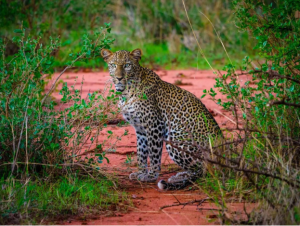
Beyond the migration, the Mara boasts exceptional year-round game viewing. The reserve’s open grasslands make wildlife spotting relatively easy, and the concentration of big cats—lions, leopards, and cheetahs—rivals anywhere on the continent. The Mara River crossings, where desperate herds brave crocodile-infested waters, provide heart-stopping moments that photographers and wildlife enthusiasts treasure forever.
Amboseli National Park
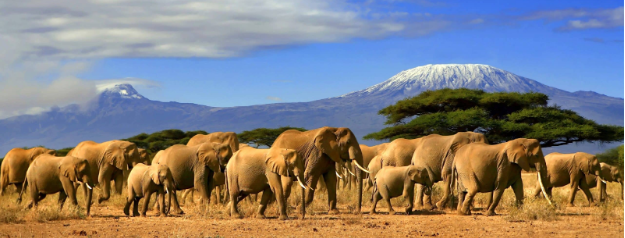
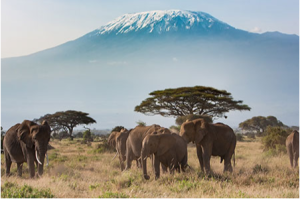
Dominated by the majestic Mount Kilimanjaro, Amboseli offers Africa’s most photogenic backdrop. Large elephant herds roam the park’s dusty plains, their silhouettes framed against Africa’s highest peak. The park’s swamps and marshes, fed by Kilimanjaro’s melting snow, create verdant oases that attract diverse wildlife throughout the year.
Amboseli’s relatively compact size makes it ideal for shorter safaris, yet its wildlife density ensures rewarding game drives. The park pioneered elephant research, and visitors benefit from decades of habituation that allow remarkably close encounters with these gentle giants.
Tsavo East and West National Parks
Together forming one of the world’s largest protected areas, Tsavo’s wild, rugged landscapes offer adventurous travelers a taste of untamed Africa. Tsavo East’s red elephants—colored by the region’s distinctive soil—create unforgettable sights against the arid backdrop. The Galana River cuts through the landscape, supporting crocodiles, hippos, and myriad bird species.
Tsavo West presents more varied topography, with volcanic hills, natural springs, and the dramatic Mzima Springs where crystal-clear water emerges from underground rivers. The park’s relative remoteness means fewer crowds and more intimate wildlife encounters.
Lake Nakuru National Park
Famous for the pink haze created by millions of flamingos that once lined its shores, Lake Nakuru remains a birding paradise despite fluctuating water levels affecting flamingo populations. The park’s fenced perimeter makes it one of Kenya’s premier rhino sanctuaries, offering excellent opportunities to see both black and white rhinos.
The park’s diverse habitats—from lake waters to acacia forests to rocky cliffs—support remarkable biodiversity. Tree-climbing lions, leopards, and endangered Rothschild’s giraffes add to the park’s appeal.
Samburu National Reserve
Northern Kenya’s Samburu offers a distinctly different safari experience. This arid landscape supports specialized wildlife found nowhere else in Kenya, including the Grevy’s zebra, reticulated giraffe, Somali ostrich, gerenuk, and beisa oryx—collectively known as the “Samburu Special Five.”
The Ewaso Nyiro River creates a lifeline through the reserve, concentrating wildlife along its banks. Samburu’s cultural richness, with opportunities to visit traditional Samburu villages, adds anthropological depth to the wildlife experience.
Planning Your Africa Kenya Safari
 Best Time to Visit
Kenya offers exceptional safari opportunities year-round, but timing affects what you’ll experience. The dry seasons from June to October and January to February provide optimal game viewing as animals congregate around water sources and vegetation thins, improving visibility.
The Great Migration’s river crossings peak between July and October, making these months highly sought after for Maasai Mara safaris. However, the rainy seasons (March to May and November to December) bring their own rewards: fewer tourists, lower prices, dramatic skies, newborn animals, and vibrant landscapes transformed by fresh rainfall.
Accommodation Options
Africa Kenya safaris cater to every preference and budget. Luxury tented camps combine colonial elegance with modern comforts, offering spa treatments, gourmet cuisine, and private verandas overlooking wildlife hotspots. Mid-range lodges provide excellent value with comfortable amenities and knowledgeable guides.
Budget-conscious travelers find well-maintained campsites and basic bandas that maintain the authentic safari spirit without luxury price tags. Many properties now embrace eco-tourism principles, using solar power, supporting local communities, and implementing sustainable practices.
Safari Styles and Experiences
Traditional game drives in 4×4 vehicles remain safari’s backbone, typically conducted during cooler morning and late afternoon hours when animals are most active. However, Kenya’s safari industry has evolved to offer diverse experiences. Walking safaris provide intimate encounters with smaller creatures and vegetation often overlooked from vehicles. Balloon safaris over the Maasai Mara combine breathtaking aerial perspectives with champagne breakfasts in the bush.
Night drives in certain reserves reveal nocturnal species like aardvarks, porcupines, and hunting predators. Cultural visits to Maasai, Samburu, or other communities add human dimensions to the wildlife narrative. Photography safaris cater specifically to serious photographers with specialized vehicles and expert guides who understand light, composition, and animal behavior.
Beyond the Big Five
While spotting lions, leopards, elephants, buffalo, and rhinos remains a safari highlight, Kenya’s biodiversity extends far beyond these famous five. Over 1,100 bird species make Kenya a world-class birding destination. Specialized ecosystems support unique species: the endangered hirola antelope, wild dogs, and over 25,000 different insect species.
Marine parks along Kenya’s coast protect coral reefs, sea turtles, dolphins, and seasonal whale sharks, allowing safaris to extend beyond terrestrial experiences. The country’s botanical diversity ranges from highland forests with endemic plant species to mangrove ecosystems supporting complex marine nurseries.
Cultural Richness
Africa Kenya safaris offer more than wildlife—they provide windows into diverse cultures that have coexisted with wildlife for centuries. The Maasai people, with their distinctive red shukas and traditional pastoralist lifestyle, welcome visitors to experience their customs, dances, and wisdom about living alongside dangerous predators.
The Samburu in northern Kenya maintain ancient traditions while adapting to modern challenges. Coastal Swahili culture blends African, Arab, and Asian influences, reflected in architecture, cuisine, and daily life. These cultural encounters enrich safaris with human stories that complement the animal narratives.
Conservation Challenges and Success Stories
 Kenya faces significant conservation challenges: human-wildlife conflict as populations grow, poaching pressures, climate change impacts, and habitat loss. However, the country has achieved remarkable successes. Rhino populations have recovered from near-extinction through intensive protection. Community conservancies, where local people benefit directly from wildlife tourism, have proven effective at protecting wildlife while improving livelihoods.
Kenya burned 105 tons of ivory and 1.35 tons of rhino horn in 2016, sending a powerful anti-poaching message. Innovative conservation programs use technology, community engagement, and tourism revenues to protect wildlife for future generations.
Practical Considerations
Most international visitors require visas, easily obtained online before travel. Yellow fever vaccination is mandatory if arriving from endemic countries, and malaria prophylaxis is recommended for most safari areas. Kenya’s well-developed tourism infrastructure includes international airports in Nairobi and Mombasa, domestic flights to remote areas, and reliable ground transportation.
English is widely spoken alongside Swahili, making communication straightforward. The Kenyan shilling is the local currency, though US dollars are widely accepted in tourist areas. Mobile connectivity is surprisingly good even in remote regions, allowing visitors to share their adventures in real-time.
Conclusion
Africa Kenya safaris deliver on the promises that draw travelers to this magnificent continent. From the thunder of wildebeest hooves crossing the Mara River to the silent glide of a leopard descending from an acacia tree, from the trumpeting of elephant herds to the haunting calls of lions under star-filled skies, Kenya encapsulates Africa’s wild essence.
The country’s commitment to conservation, coupled with world-class tourism infrastructure and genuine hospitality, ensures that visitors experience not just wildlife viewing but transformative journeys that change perspectives and create lifelong memories. Whether you’re witnessing your first lion kill, watching the sun set over Kilimanjaro, or learning ancient tracking skills from Maasai warriors, Kenya offers safari experiences that exceed even the most ambitious expectations.
The magic of Africa Kenya safaris lies not just in checking animals off a list but in connecting with something primal and profound—the understanding that we share this planet with extraordinary creatures whose survival depends on spaces where wildness can persist. Kenya provides these spaces in abundance, inviting you to witness, learn, and ultimately help protect one of Earth’s greatest natural treasures.
Key Takeaways
- Kenya offers the most diverse and accessible safari experiences in Africa, with over 50 national parks and reserves protecting incredible wildlife populations
- The Great Migration in Maasai Mara (July-October) represents one of nature’s most spectacular events, but Kenya provides excellent year-round game viewing
- Iconic parks like Maasai Mara, Amboseli, Tsavo, and Samburu each offer unique landscapes and wildlife specializations
- Safari options range from luxury tented camps to budget campsites, with experiences including traditional game drives, walking safaris, balloon rides, and cultural encounters
- Kenya successfully balances conservation with tourism, implementing community conservancies and innovative protection programs
- Beyond the Big Five, Kenya hosts over 1,100 bird species and unique wildlife found nowhere else
- Cultural experiences with Maasai, Samburu, and coastal Swahili communities add depth to wildlife safaris
- Practical considerations include obtaining e-visas, recommended vaccinations, and malaria prophylaxis for most safari regions
Frequently Asked Questions
What is the best time for an Africa Kenya safari?
The dry seasons (June-October and January-February) offer optimal game viewing with easier wildlife spotting and minimal rainfall. July-October is ideal for witnessing the Great Migration in Maasai Mara. However, the rainy seasons provide advantages including lower costs, fewer tourists, dramatic landscapes, and excellent birding opportunities.
How many days should I spend on a Kenya safari?
A minimum of 4-5 days allows you to experience one or two parks properly. A 7-10 day safari enables visits to multiple reserves with different ecosystems and wildlife. Serious wildlife enthusiasts often spend 2-3 weeks combining various parks, cultural experiences, and coastal relaxation.
Is Kenya safe for safari travelers?
Kenya’s safari areas are generally very safe for tourists. Parks and reserves maintain security, and reputable safari operators prioritize guest safety. Standard travel precautions apply in urban areas. Wildlife poses minimal risk when following guide instructions and maintaining appropriate distances.
How much does an Africa Kenya safari cost?
Safari costs vary dramatically based on accommodation level, season, and duration. Budget safaris start around $150-250 per person per day, mid-range safaris run $250-500 daily, while luxury safaris can exceed $500-1,500+ per person per day. These rates typically include accommodation, meals, game drives, and park fees.
What should I pack for a Kenya safari?
Essential items include neutral-colored clothing (khaki, green, brown), comfortable walking shoes, hat, sunscreen, insect repellent, binoculars, camera with telephoto lens, light jacket for early morning drives, and any necessary medications. Most lodges provide laundry services, so packing light is feasible.
Can I see all of the Big Five in Kenya?
Yes, Kenya offers excellent opportunities to see all Big Five animals (lion, leopard, elephant, buffalo, and rhino). Maasai Mara provides the best chance to see all five in one location, though combining multiple parks increases your odds. Rhinos require visits to specific sanctuaries like Lake Nakuru or private conservancies.
Do I need special vaccinations for a Kenya safari?
Yellow fever vaccination is required if arriving from endemic countries. Recommended vaccinations include hepatitis A and B, typhoid, and routine immunizations. Malaria prophylaxis is advised for most safari areas. Consult your doctor or travel clinic 6-8 weeks before departure for personalized advice.
What wildlife can I expect to see besides the Big Five?
Kenya hosts cheetahs, hyenas, giraffes, zebras, hippos, crocodiles, various antelope species, warthogs, baboons, and over 1,100 bird species. Specialized parks offer unique species like Samburu’s Grevy’s zebra and reticulated giraffe. The diversity ensures every game drive brings new discoveries.

